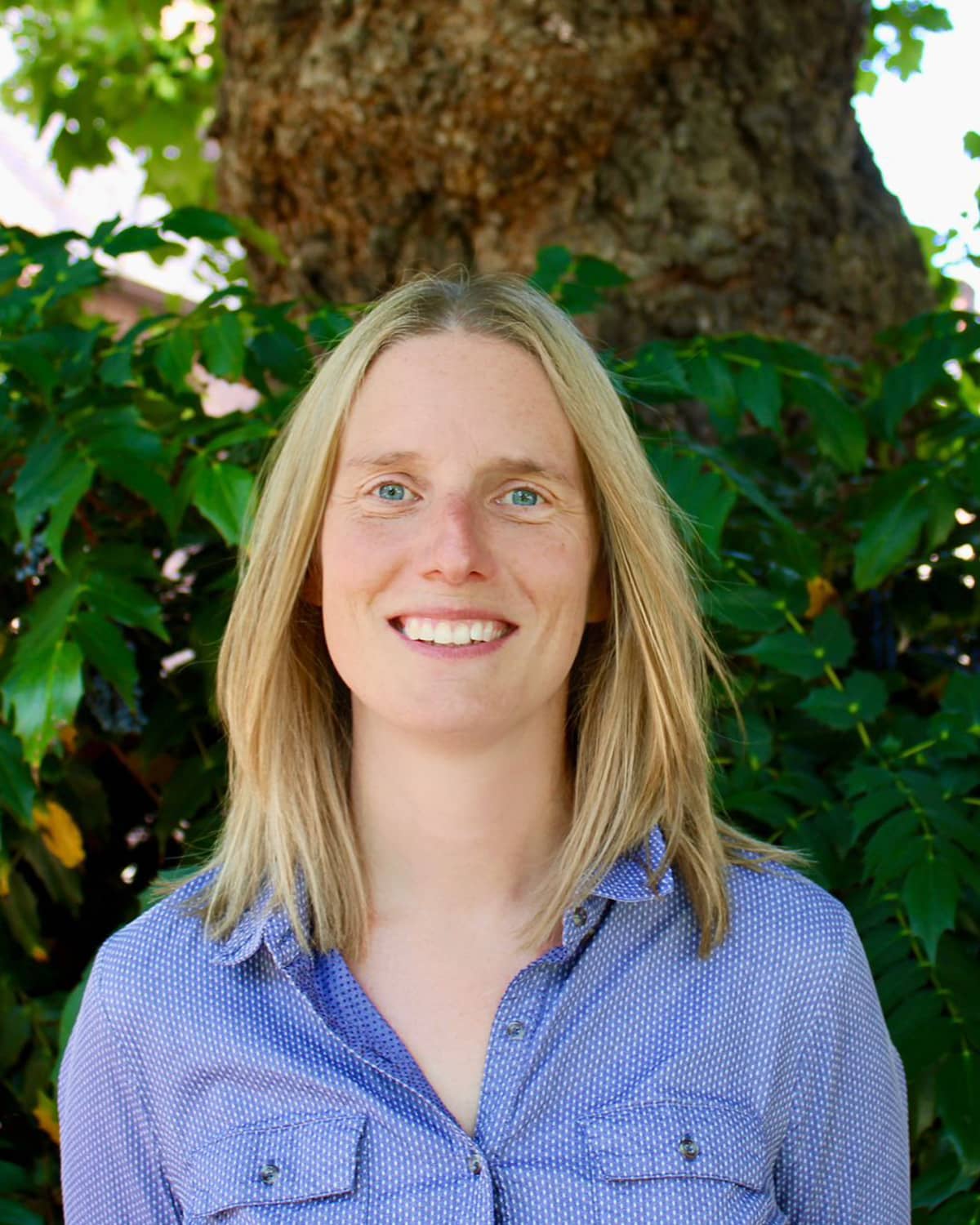
Emma Boyland is a Professor of Food Marketing and Child Health and Deputy Dean of the Institute of Population Health at the University of Liverpool, UK. She is an experimental psychologist whose studies explore how the food environment drives eating behaviours and how public health policies improve health and reduce inequalities.
What inspires you?
Seeing how evidence my colleagues and I have produced make a material difference to policies and the food environment inspires me to keep pushing the boundaries with my research.
What is your favourite book and why?
Twopence to Cross the Mersey by Helen Forrester, it’s a hugely powerful and emotive story of the struggles of a family in Liverpool during the great depression of the 1920s. It’s a stark and important reminder to not take things for granted but also of what the human spirit can overcome.
How do you relax?
I enjoy being active in the outdoors, including running and cycling with my kids, spending time with friends and family, and listening to podcasts.
If you wrote an autobiography, what would be the title?
An Appetite for Influence
What one discovery or invention would most improve your life?
A teleporter would be very useful; I’d be better equipped to juggle the demands of a busy job and parenting if I could get between work and my kids’ activities in an instant!
How would you improve the public’s understanding of research?
I think the research community need to get better at tailoring the language we use to a public audience. We often lose sight of how unique the ‘academic language’ is and forget that we need to make what we say accessible and be clear on the main ‘take home’ points we want to convey.
What is your greatest fear?
That we have ruined the planet we rely on for life.
If you were a billionaire, how would you spend your fortune for the good of others?
I would use my fortune and influence to fund research and activities that would drive a complete overhaul of the food system in the UK and elsewhere, but also focus on where I could reduce suffering at scale (e.g., fund vaccines and clean water) and strengthen our future resilience (e.g., pandemic preparedness).
What is the best piece of advice you have received?
Saying no is a valid answer.
Have a great ECO 2026 Emma!


